
White House officials are grasping for a “visible consumer relief move” to offset the worsening economic fallout of Donald Trump’s war in Iran, according to a new report.
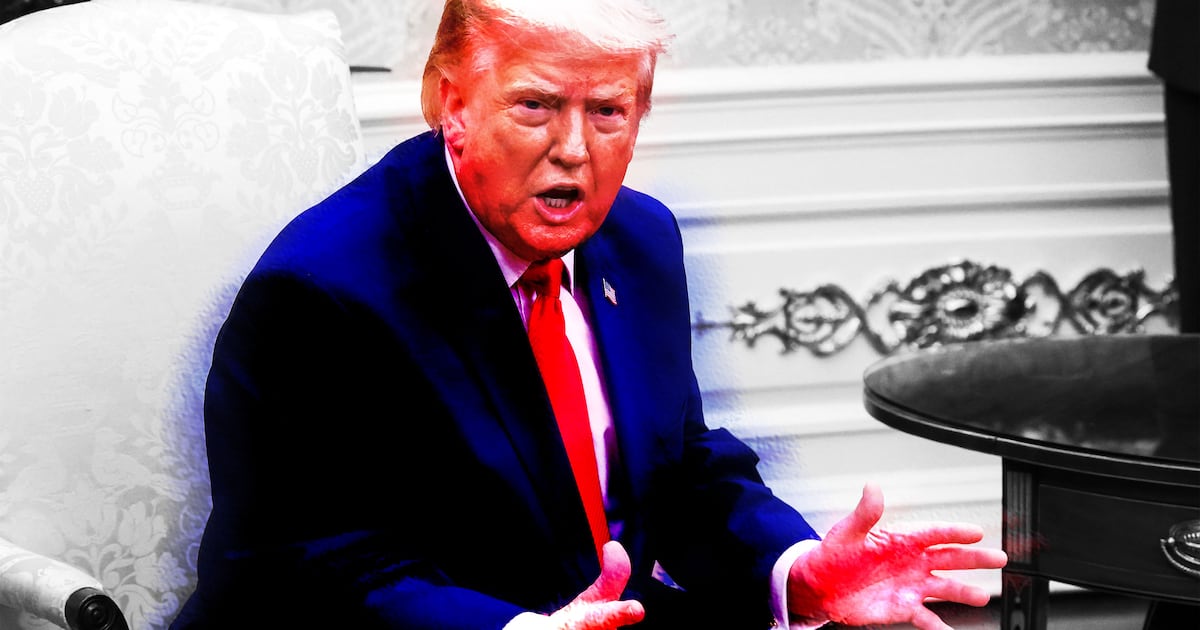
While the 79-year-old president himself has downplayed concerns over soaring gas prices and inflation as a “small price to pay” for confronting Iran, officials in his administration are apparently more alarmed.
Sources told Reuters that administration officials have been studying market data as they brace for the national average gas price to hit $5 a gallon.
“They feel like that’s their largest vulnerability right now: that specific cost, gas, not overall economic conditions,” an unnamed adviser told Reuters. “The toughest thing, too, is that we made gas prices the Achilles’ heel for (former President Joe) Biden and now it’s our own.”

Since Trump’s war with Iran began in February, energy prices have spiked as the Strait of Hormuz remains closed, with the national average price for regular gas climbing above $4.50 a gallon, according to AAA. In seven states, the average price of gasoline has exceeded $5 per gallon.
At the same time, inflation climbed to 3.8 percent in April, marking its highest level in almost three years.
Amid the price rises, polls have shown that many Americans are losing confidence in his handling of the economy as the war rages on.
The latest CNN/SSRS poll found that Trump’s net approval rating on the economy has plunged to -40, the worst level recorded for him on the issue.
Meanwhile, a May Reuters/Ipsos survey found that rising fuel costs are putting growing financial strain on Americans, with more than 60 percent saying higher gas prices have hurt their household finances.
The poll also showed Trump’s approval rating on the economy falling to 30 percent, several points lower than at the start of the war.
As economic anxiety continues to grow, a Reuters/Ipsos poll conducted April 24–27 found that only one in four Americans believe the war with Iran has been worth the cost, while 53 percent said it has not. Even among Republicans, one in five respondents said the war was not worth it.
With voters turning against Trump, a person familiar with the White House’s discussions told Reuters that officials are looking for a way to show voters they’re doing something about rising prices.
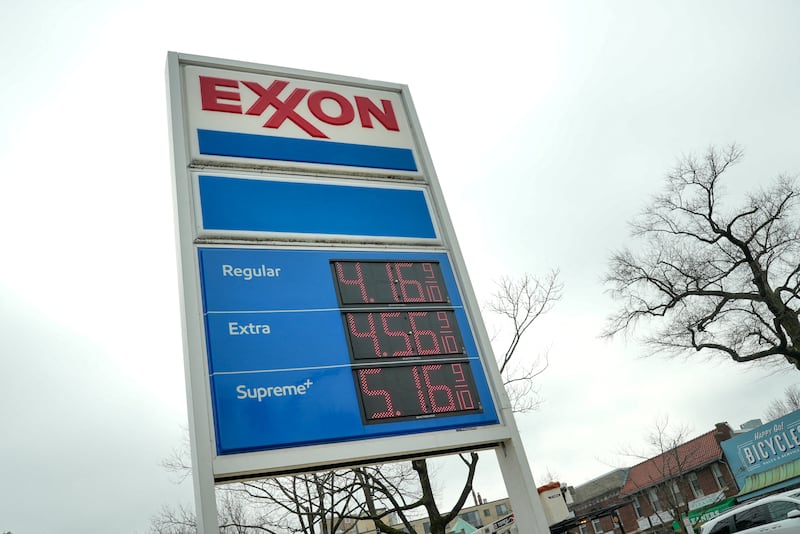
That is perhaps why Trump this week threw his support behind pausing the federal gas tax, a move that would lower fuel prices by roughly 18 cents per gallon.
But while several Republican lawmakers have voiced support for the proposal, top party leadership has yet to fully embrace the idea or signal whether it will move forward.
Meanwhile, Trump has yet to signal that he fully understands the urgency of the situation.
Asked Tuesday if Americans’ financial struggles factored into his push for a deal with Iran, Trump responded: “Not even a little bit.”
White House spokesman Kush Desai told The Daily Beast that as conditions in the Strait of Hormuz normalize, Americans will “see gas prices plummet, real wages grow, inflation cool, and trillions in investments continue pouring in.”