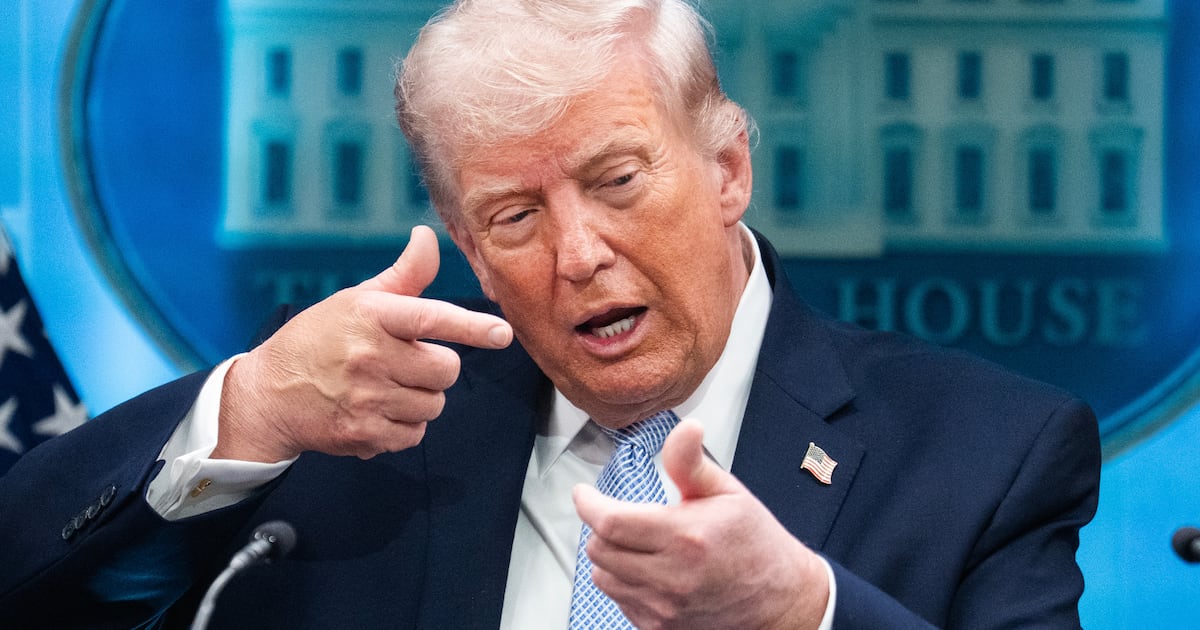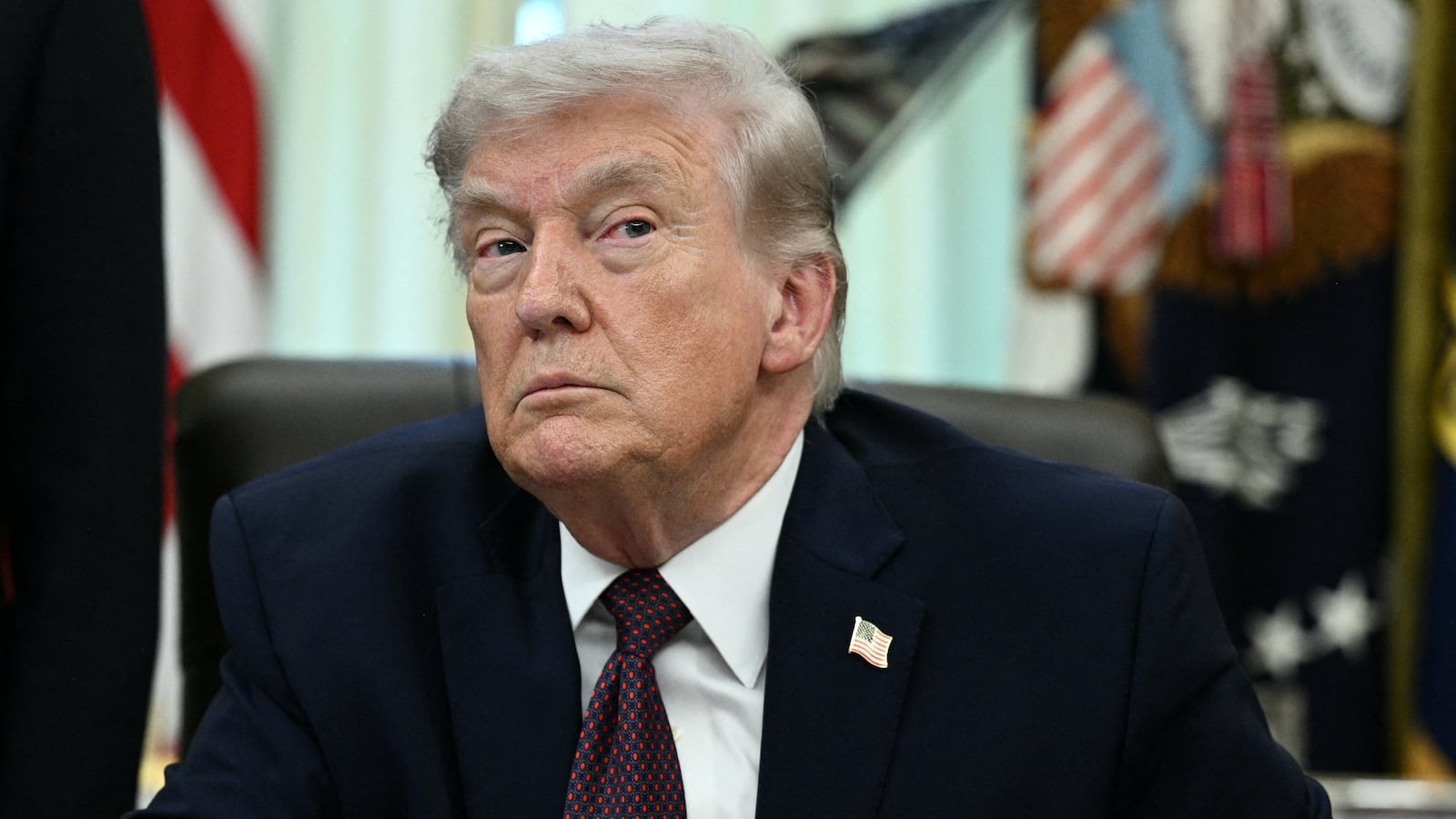
Top members of President Donald Trump’s cabinet were at each other’s throats over war with Iran right up until the moment the president hit the big red button.
Vice President JD Vance, Defense Secretary Pete Hegseth, Secretary of State Marco Rubio, Chief of Staff Susie Wiles, and Press Secretary Karoline Leavitt all expressed wildly diverging takes on Trump’s proposed conflict in the Middle East in the days and weeks leading up to the first U.S. strikes, according to an explosive report from The New York Times.
That report draws on material from a forthcoming book by the newspaper’s star reporters Jonathan Swan and Maggie Haberman, titled Regime Change: Inside the Imperial Presidency of Donald Trump.
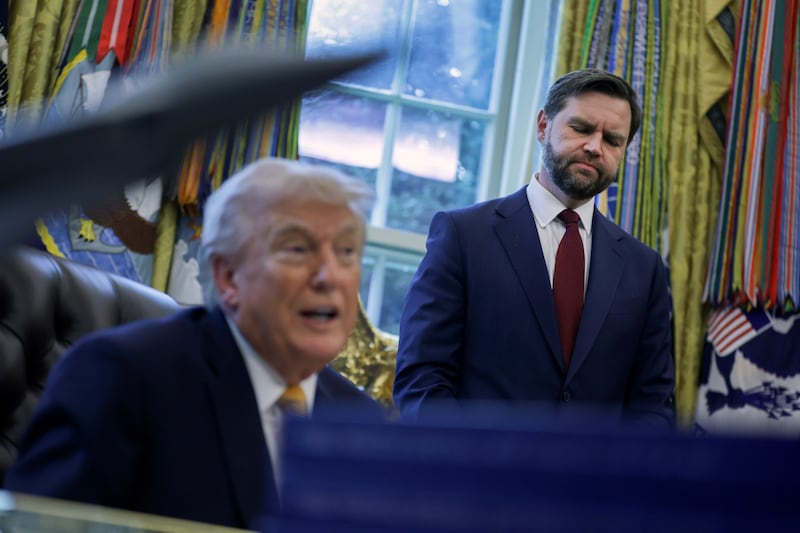
The president appears to have preemptively railed against the book, due to launch after his 80th birthday in June and featuring interviews with hundreds of White House insiders, even before it was announced, tearing into Haberman in an angry Truth Social post last month.
“Maggot Haberman, just another SLEAZEBAG writer for The Failing New York Times, insists on writing false stories about me, even though she fully knows and understands that the exact opposite of anything she says is usually the truth,” Trump wrote.
Material from the book, published Tuesday, reveals that “nobody in Mr. Trump’s inner circle was more worried about the prospect of war with Iran, or did more to try to stop it, than the vice president.”
Vance, a longtime opponent of foreign military entanglements, reportedly sought to dissuade the president from an all-out confrontation with the Islamic regime by warning any full-scale conflict would entail “a huge distraction of resources” and prove “massively expensive.” Widely seen as a 2028 contender for the White House, Vance has appeared to try to keep his hands clean from the war in Iran.
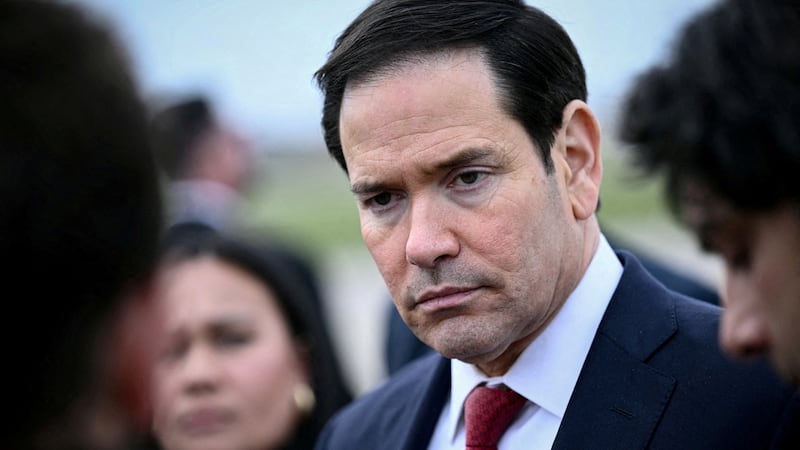
The vice president is said to have warned Trump “in front of his colleagues” the conflict he was proposing “could cause regional chaos and untold numbers of casualties,” and that the Iranian regime would be only too likely to respond by shuttering the Strait of Hormuz to send gas prices skyrocketing in the U.S. and across the globe.
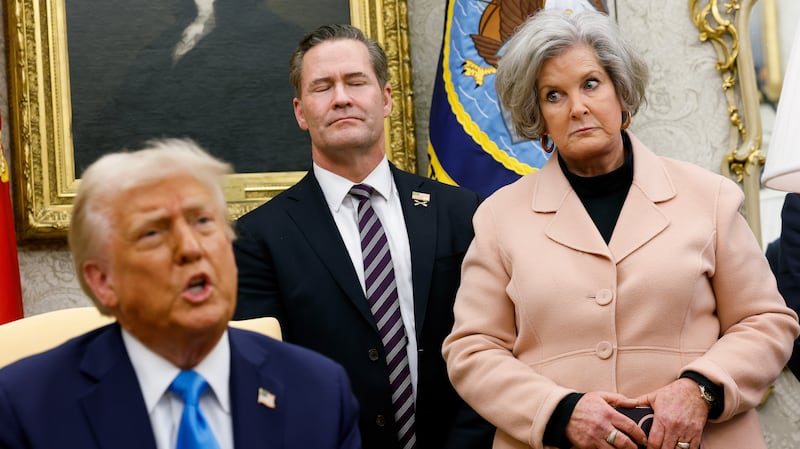
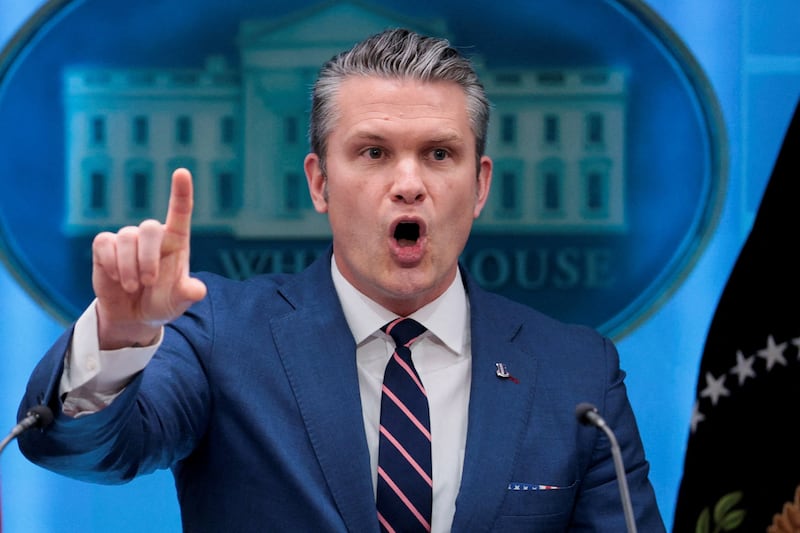
Hegseth, meanwhile, appears to have been all for it, with the Times describing him as “the biggest proponent of a military campaign against Iran” in Trump’s cabinet. The defense secretary apparently believed “they would have to take care of the Iranians eventually, so they might as well do it now.”
Rubio, by contrast, was reportedly more ambivalent, suggesting that “if our goal is regime change or an uprising, we shouldn’t do it,” but then “if the goal is to destroy Iran’s missile program, that’s a goal we can achieve.”
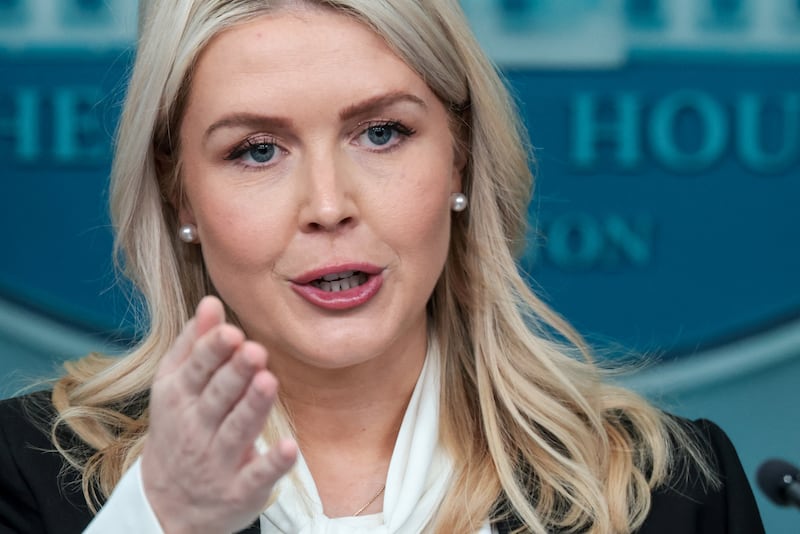
Wiles, like Vance, was wary of what impact any effect on the domestic economy might have on GOP electoral prospects ahead of November’s crucial midterm elections.
She reportedly told colleagues she was concerned that the domestic impact of the conflict could essentially tank Trump’s final two years in office.
Leavitt reportedly reassured Trump that whatever direction he eventually chose, the White House press team would “manage it as best they could.” Even conservative pundit Tucker Carlson, who has since emerged as a fierce critic of Trump’s war, appears to have got in on the action, repeatedly calling the president in the period leading up to the initial strikes on Feb. 28.
“I know you’re worried about it, but it’s going to be OK,” Trump is understood to have told the pundit. When Carlson asked how he could possibly be sure of that, the president replied: “Because it always is.”

The Daily Beast has contacted the White House for comment on this story.