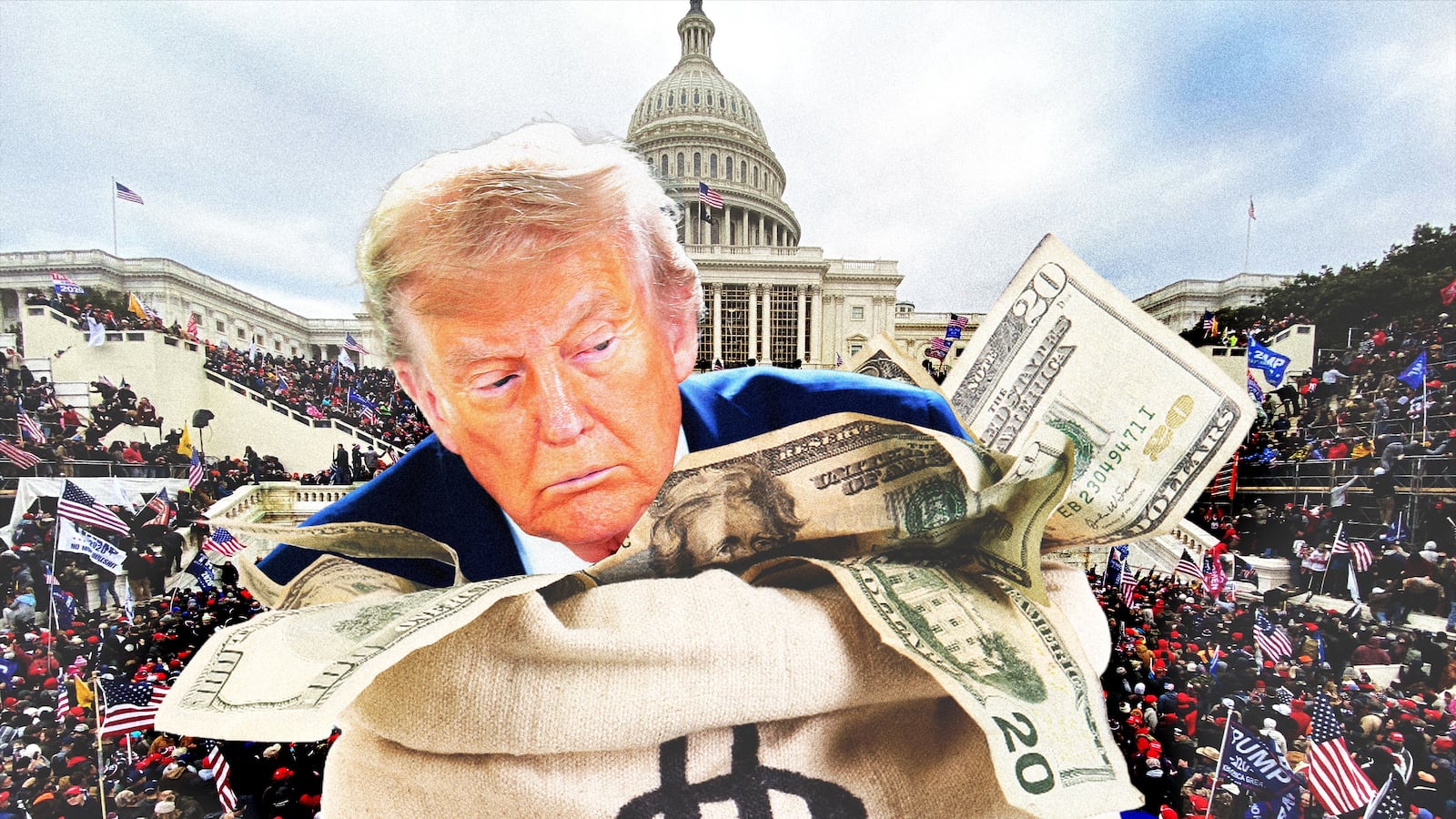
A federal judge temporarily halted the Trump administration’s plan to create a $1.8 billion “Anti-Weaponization Fund” to pay out people who claim they were politically targeted.
Critics have warned that the fund would be used to hand out millions of taxpayer dollars to those who stormed the U.S. Capitol on January 6 and even assaulted police officers.
District Judge Leonie Brinkema, who was appointed by President Bill Clinton, blocked the administration from taking any further actions to create or operate the fund, including transferring money to it or considering claims for payouts in a brief order handed down Friday.
She set a hearing date for June 12 at 10 am ET to hear arguments on whether she should take steps to further pause the fund for a longer period.
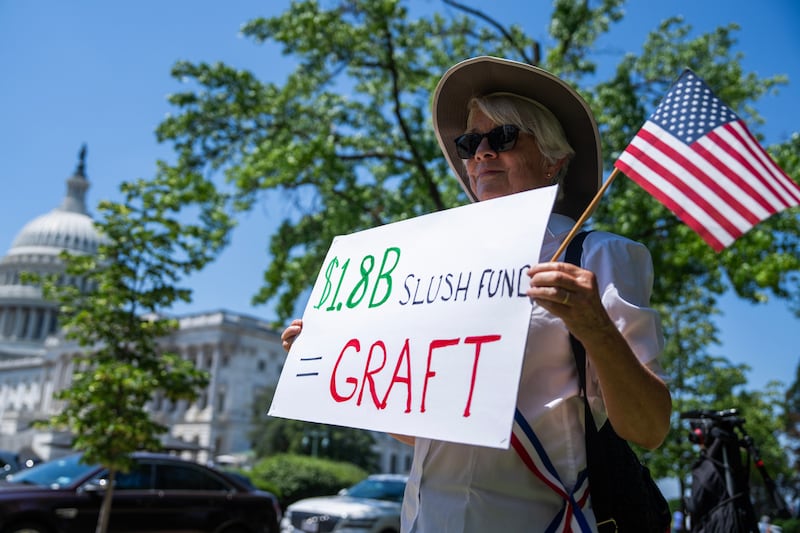
The White House referred questions about the fund being blocked to the Justice Department. A DOJ spokesperson said the department is confident in the legality of the fund.
“We will not allow the policy preferences of judges to interfere with our efforts to provide restitution to victims of lawfare,” the spokesperson said in a statement.
The Justice Department announced the creation of the $1.776 billion fund as part of a deal after Donald Trump withdrew his $10 billion lawsuit against the IRS after a contractor leaked his and others’ tax documents to news publications during his first term.
The deal was unprecedented in that the president was suing his own government, which then reached the agreement.

After the fund was announced, it was immediately hit with a series of legal challenges from individuals and groups who would not be able to receive payments.
The lawsuit in question was filed earlier this month seeking to halt both the creation and operations of the fund, arguing that the fund “rewards and incentivizes unlawful behavior and facilitates an astounding abuse of taxpayer funds.”
Group’s fighting against the fund celebrated the temporary pause as a victory but acknowledged the fight is far from over.
“Today, a federal court recognized the urgent need to prevent taxpayer dollars from being distributed through a secretive and unprecedented political compensation scheme before the legality of that program can be fully reviewed by the court,” said Skye Perryman, President and CEO of Democracy Forward, in a statement.
“This is a victory for transparency, the rule of law, and the American people. No administration has the authority to spend public money through a political rewards program that Congress never authorized,” she added.

While the Trump administration has argued that anyone who believes they’ve been unfairly targeted can submit claims for the money, top officials have not ruled out the money being awarded to those who stormed the U.S. Capitol on January 6 and assaulted law enforcement officers, as well as Trump donors.
On Thursday, Treasury Secretary Scott Bessent, who oversees the IRS, referred any questions about the fund to Acting Attorney General Todd Blanche, the president’s former personal criminal attorney.
The way the fund was set up, Blanche was tasked with choosing the five commissioners who would review submitted complaints and dole out the cash.
But even some Republican lawmakers on Capitol Hill were deeply uncomfortable with the creation of the fund using taxpayer dollars without Congress’s input. Several have vowed to try to kill it when they return from recess.