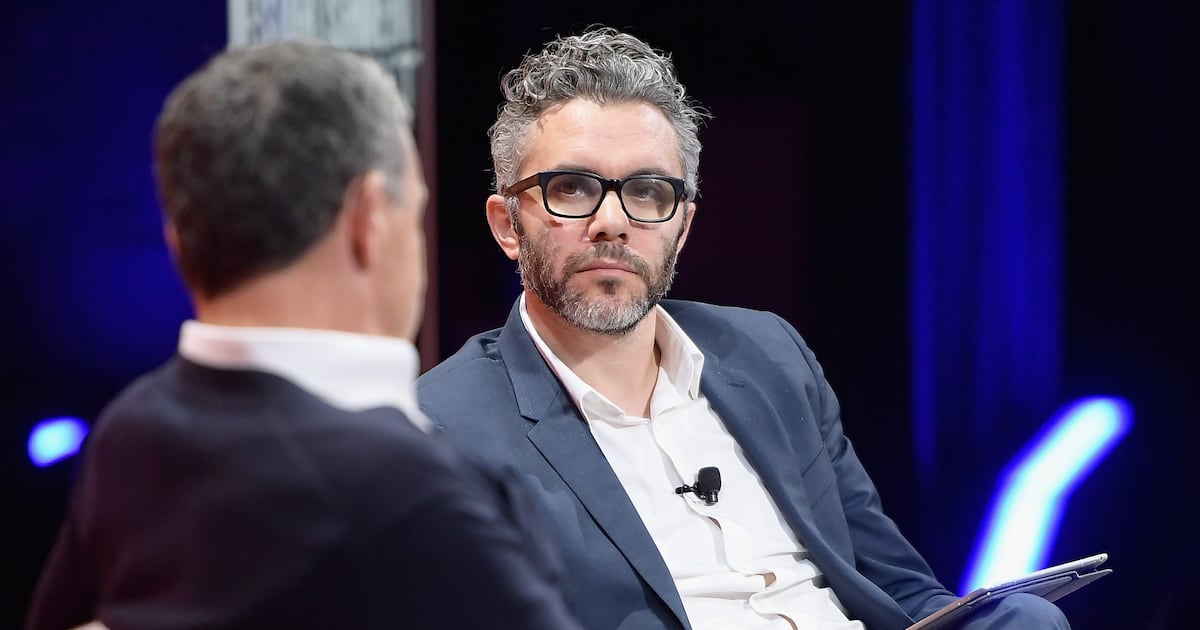
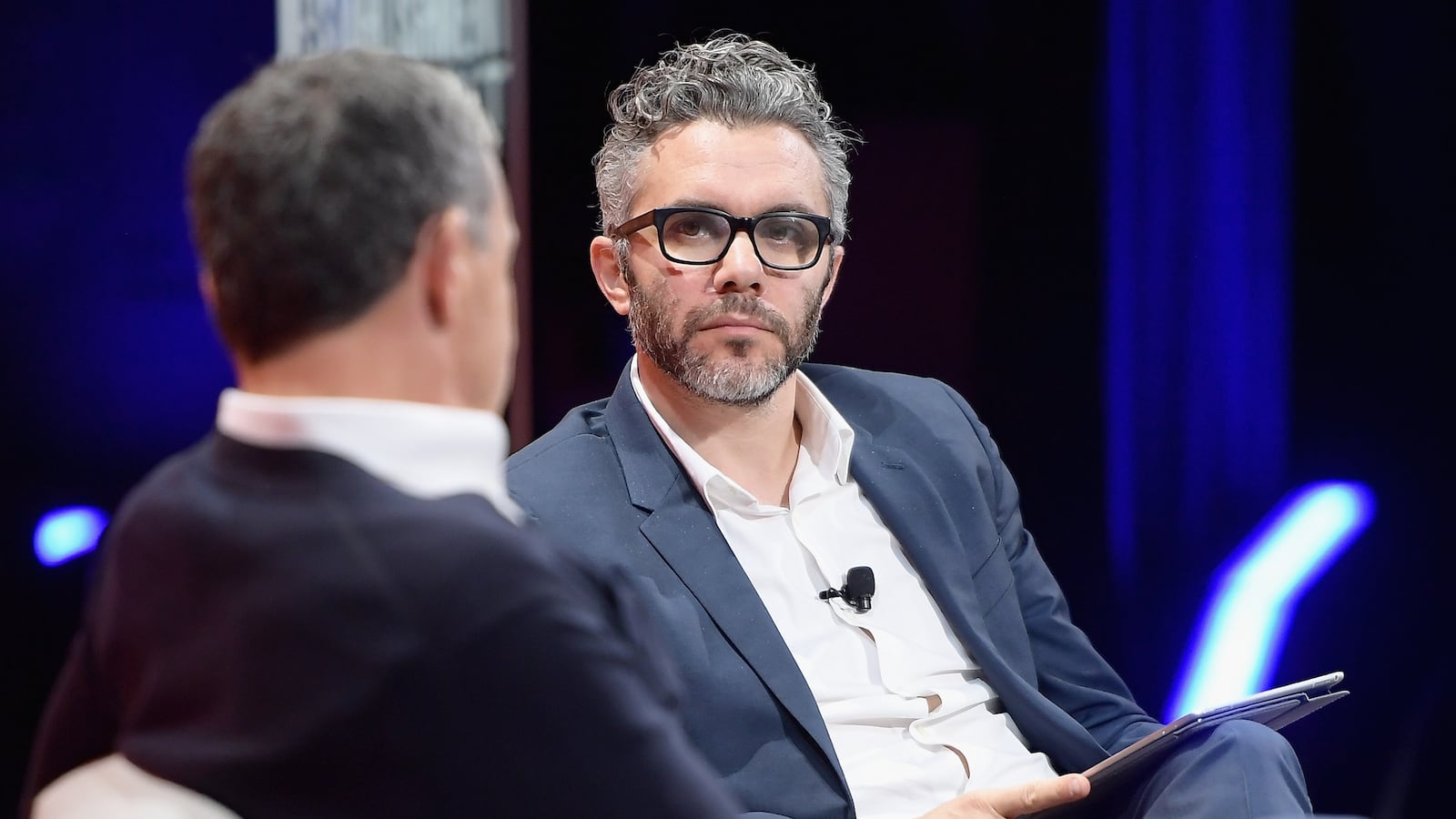
Newly installed 60 Minutes executive producer Nick Bilton sent a cringeworthy note to his colleagues ahead of his first day.
Bilton, 49, who has no experience in broadcast news, was tapped by CBS editor-in-chief Bari Weiss to run the storied news program in her quest to make the network more Trump-friendly.

In a note to colleagues introducing himself, he wrote, “I am here because the world outside this building has changed a lot since this show was conceived—and we have to talk honestly about what that means.”
Bilton then took his new colleagues back in time, with some bizarre choices of period references.
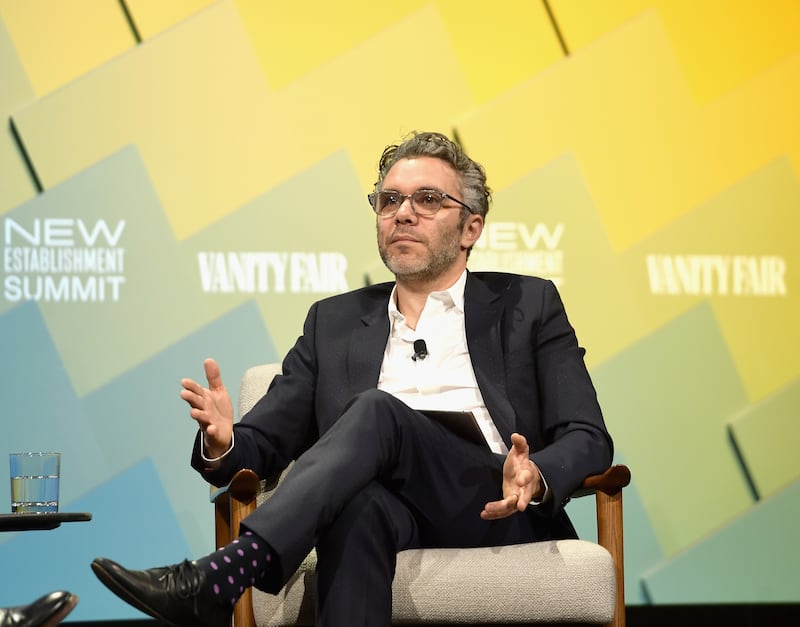
“Think back to September 1968, when the first episode of 60 aired. A gallon of gas was thirty-two cents. The first pocket calculator wouldn’t go on sale for another two-and-a-half years. If you needed money, you went to the bank, stood in line, and asked a human being for it. Long distance calls were billed by the minute and you thought twice before making one,” he wrote.
“Every part of how we lived back then has been transformed since then,” he observed. “The cars, the phones, the music, the movies, the medicine, the money, the way news gets made and the way news gets consumed. The phone you are reading this on is more powerful than every computer that existed on the planet in 1968 combined.”

He noted, “The audience that watched that first episode is not the same audience watching us now.”
He said the modern-day audience is now “stalked by algorithms,” which have “figured out that anger is the only way to make sure they come back day after day after day,” and claimed “they have lost faith in almost every institution that used to hold the country together.
“And yet here we still are. Same stopwatch. Same tick. Same Sunday night. Same form. The trusted correspondents are our guides through all of it,” he wrote.
Over Weiss’s eight months in charge, CBS News lost three of its seven 60 Minutes correspondents: Anderson Cooper, who left on his own accord, and Sharyn Alfonsi and Cecilia Vega, both of whom were pushed out on Thursday.

Bilton has no broadcast production experience, having previously worked as a technology columnist at The New York Times and later as a correspondent at Vanity Fair covering technology, politics, and culture.
He has produced two HBO documentaries, Fake Famous, a film about aspiring social media influencers, and The Inventor: Out for Blood in Silicon Valley, about conwoman Theranos founder Elizabeth Holmes.
His letter said he will greet staff on Friday.
“I have a notebook full of ideas,“ Bilton wrote. “Some are about the show itself. Some are about the next generation of correspondents. Some are about the strange fact that we produce one extraordinary hour for one night a week in a world that consumes content around the clock.
“I’m excited to share them, and I’m confident you’ll be excited by them, too,” he concluded. “But not yet. The first thing I want to do is meet you. Hear what you’re working on. Hear what isn’t working. Hear what you’ve been waiting to do and haven’t been able to. In about thirty days I’ll come back to all of you with where we go from here. It will be a conversation that we have together.”
Weiss, who also had no broadcast experience before becoming head of CBS News, and CBS News President Tom Cibrowski echoed many of Bilton’s points in their memo to colleagues announcing the shakeup.
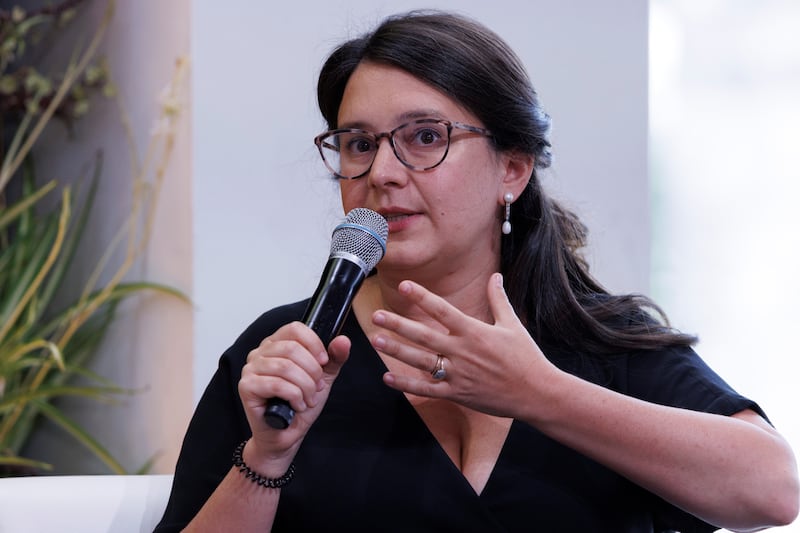
“Over the last six decades, 60 Minutes has shaped national conversations, exposed abuses of power, and set the standard for television reporting. Our responsibility is to preserve that legacy and vital mission by building a show that thrives in the 21st century,” they wrote.
“That requires a new approach: expanding 60 Minutes beyond a one-hour television broadcast, deepening its role across CBS News, and holding everything we produce to the ambition, fairness, and fearlessness that have defined 60 Minutes at its best,” they continued.

They added, “The reality facing journalism in 2026 is not easy. Information is fragmented. Algorithms reward outrage. AI-generated misinformation is proliferating. Audiences are overwhelmed. And they have lost trust in legacy media.”
Weiss’s short time leading CBS News, and notably 60 Minutes, has been nothing short of tumultuous.
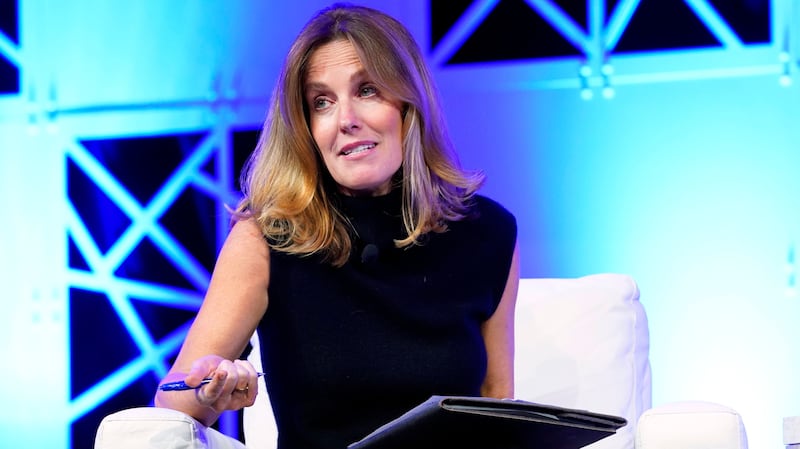
Early on, she publicly clashed with correspondent Alfonsi over a 60 Minutes segment on the poor conditions at the infamous megaprison CECOT, where the Trump administration was sending deportees.
Weiss insisted on shelving the segment, claiming it needed an on-camera statement from administration officials. It wound up being aired months later, largely unchanged.
“Following an intense editorial dispute over our CECOT story, repeated attempts by my representation to establish a path forward were met with absolute silence from network executives,” Alfonsi said in a statement on her departure. “The message could not be clearer: my time at 60 Minutes is apparently over.”