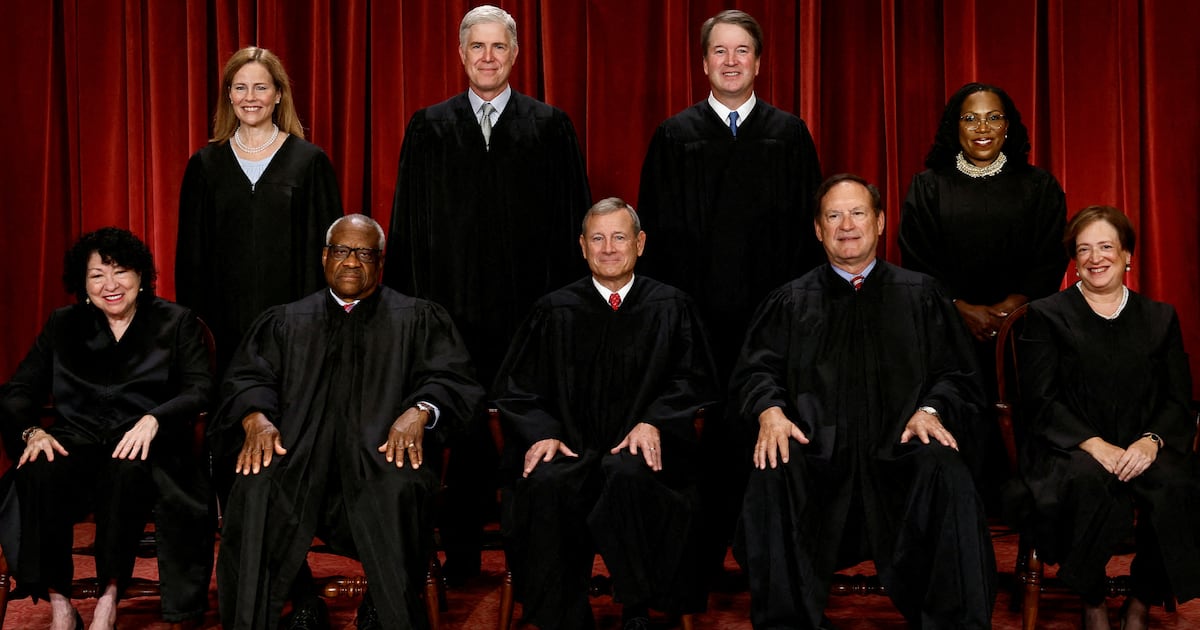
The origins of the Supreme Court’s secretive “shadow docket” have been revealed, providing a glimpse into how the justices began bypassing traditional procedures to issue rulings.
A new bombshell report from The New York Times, based on internal memos, reveals how the court has been using this to rule on high-stakes matters.
Historically, the shadow docket, also known as the emergency docket, handled matters so urgent they needed to be decided quickly, but over the last decade it has been used more to shape public policy.
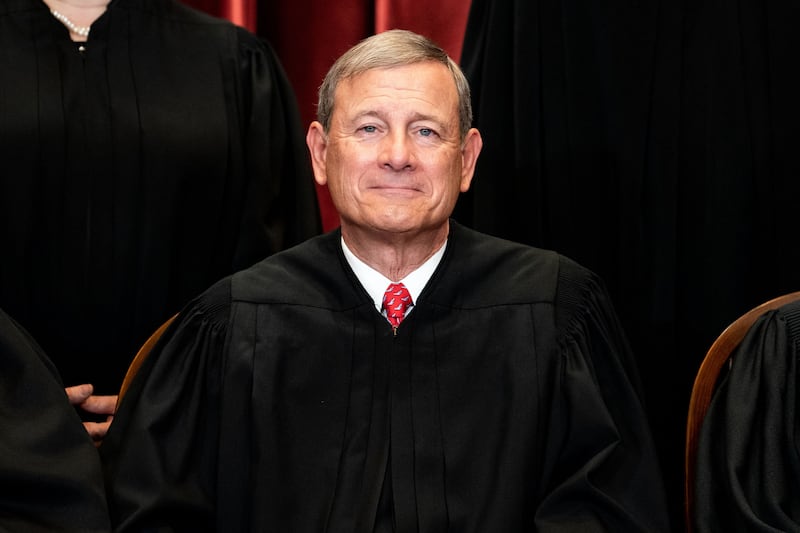
The shadow docket’s turning point is believed to have started with the Supreme Court’s quick ruling against the Obama-era Clean Power Plan.
The report found that conservative Chief Justice John Roberts handled West Virginia’s emergency request against the regulation with speed, just as other justices were sent home for the court’s annual midwinter break.
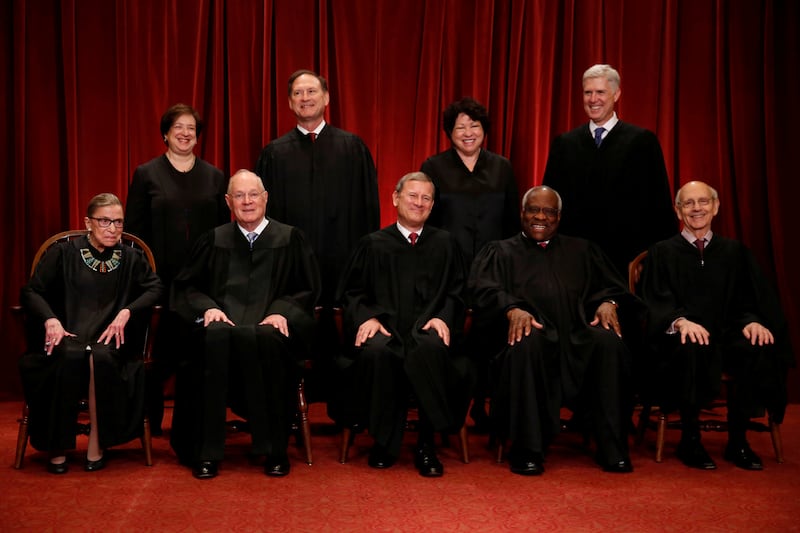
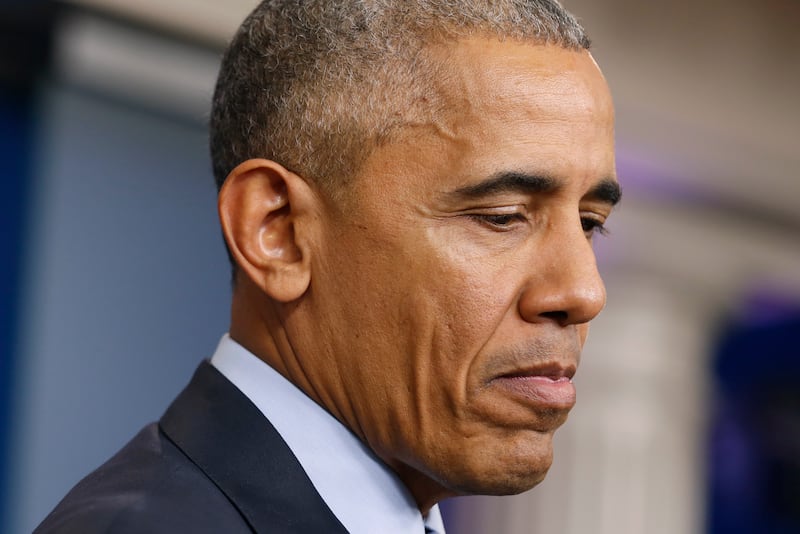
That ruling, which struck down former President Barack Obama’s signature environmental policy, was made before it even had a chance to make its way through the courts. It was issued on a February night in 2016, unsigned by any justices, and with just one paragraph and little explanation and reasoning.
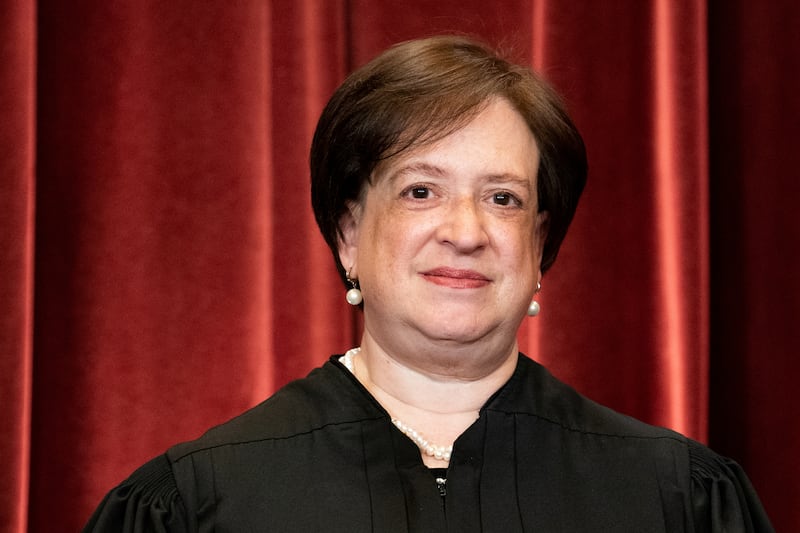
Some of the liberal-leaning justices had attempted to get the entire motion stopped, with internal memos showing Justice Elena Kagan staunchly opposed to the effort.
“The unique nature of the relief sought in these applications gives me great pause,” Kagan wrote in a memo to fellow liberal, former Justice Stephen Breyer.
Conservative Justice Samuel Alito offered a different approach, with internal memos showing he wrote, “A failure to stay this rule threatens to render our ability to provide meaningful judicial review — and by extension, our institutional legitimacy — a nullity.”
In the end, conservative justices Roberts, Alito, Clarence Thomas, Antonin Scalia, and swing Justice Anthony Kennedy wound up ruling against the Obama rule, just two weeks after West Virginia had made an emergency request to halt it.
Both sides wound up acknowledging that the approach had been unusual.
“This had never been done,” Elbert Lin, who was West Virginia’s solicitor general at the time, acknowledged to the Times.
But much to the dismay of the liberal justices, that 2016 ruling has now become a routine way the high court issues opinions.
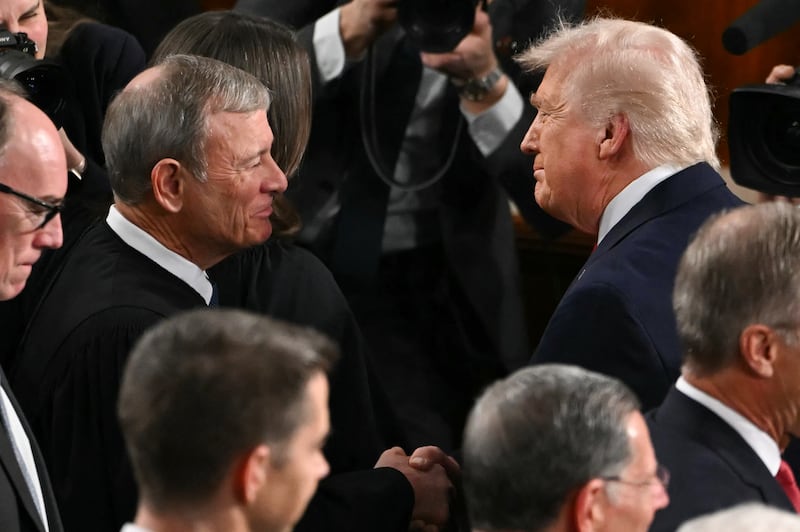
The “shadow docket” has widely helped Trump push through his agenda throughout his second term.
The high court, through the shadow docket, has allowed the Trump administration to cut the federal workforce as litigation continued in the lower courts and has allowed a ban on transgender military service to remain in effect while the case moved through the courts.
The high court’s reliance on the “shadow docket” has been criticized for its lack of transparency, given that the opinions are largely unsigned and often lack the detailed reasoning that traditional Supreme Court rulings provide.
Liberal-leaning justices have routinely sounded the alarm on their use.
This week, Justice Ketanji Brown Jackson publicly criticized their use, noting that when she clerked for the Supreme Court in 1999, the emergency docket was used almost exclusively for death row inmates.
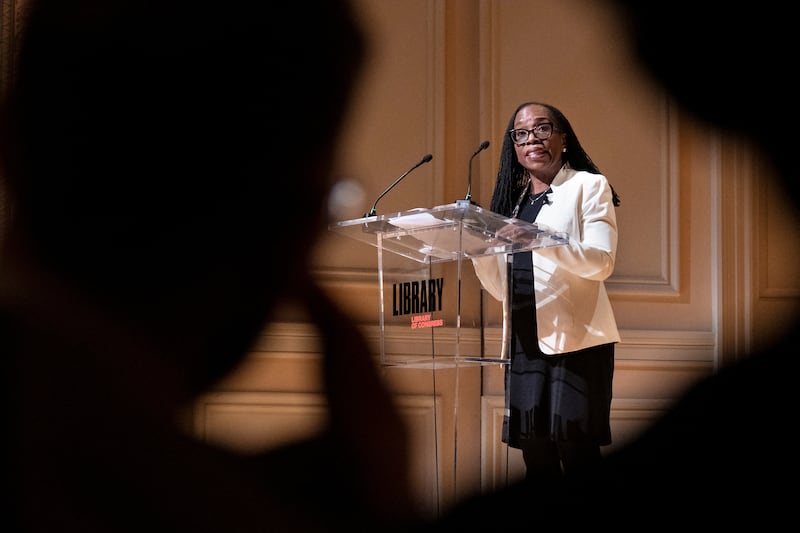
“There is value in avoiding having the court continually touching the third rail of every divisive policy issue in American life,” Jackson said during a speech at Yale Law School on Monday.
“Today, the court routinely opts to enter the fray, and it fails to acknowledge the harms that follow when the Supreme Court of the United States consistently and casually divests the lower courts of their equitable authority,” she added.